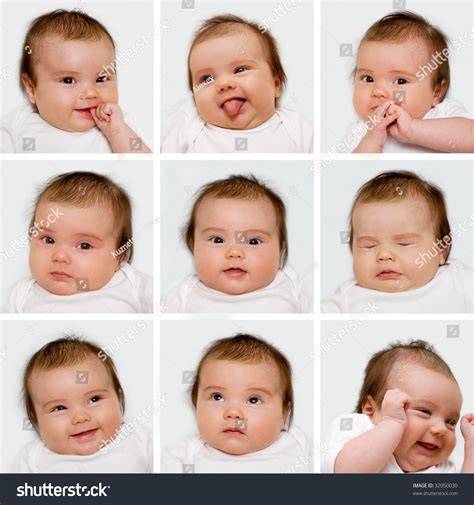
There are few things a newborn loves more than your face. Use this to your advantage and help your baby’s brain grow by making silly faces as a fun, interactive experience.
Introduzione al potere del sorriso infantile
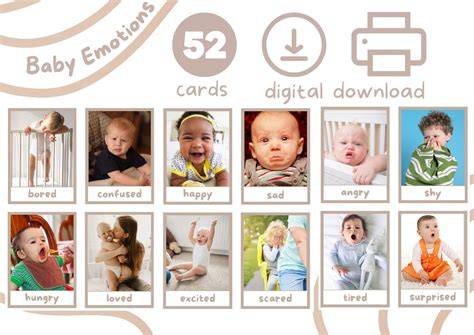
Suppplies ListYou!InstructionsPlace your baby in front of you and start making silly, exaggerated faces. As you make different facial expressions, describe what emotions or feelings go with them. You can even tell a story about why your face looks like it does. For example, you could make a surprised face and say, “Yay! I just opened a present!”
With each facial expression you make, watch how your newborn reacts. Allow her some time to respond. React to the response by engaging in a conversation.
Interazione e imitazione: primi passi nello sviluppo
For example, if you make a scary face and your newborn gets upset, say, “You didn’t like that face. It was scary!” When your newborn makes funny facial expressions, you can copy it. This is the beginning of your baby learning how to imitate, which is a big skill for learning.
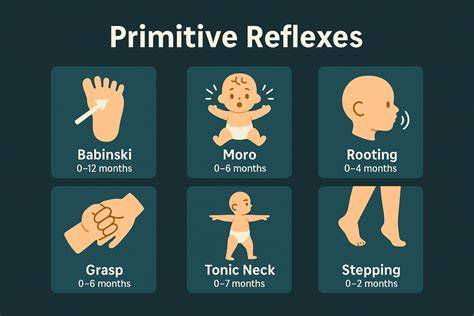
Understanding Baby's Reflex Smiles vs. As you watch your infant sleeping, they contort their face. First, they grimace and cry, then they smile.
Quando arriva il vero sorriso: tempistiche e segnali
Does this count as your baby's first smile? When can you expect your baby to smile for real? Your baby will likely smile for the first time when they're about seven to eight weeks old. The CDC's two-month baby milestones include smiling. Similarly, the American Academy of Pediatrics (AAP) includes smiling as an important developmental milestone.
What counts as that first real smile? Pediatrician Christine Pagano explained in an AAP article that many parents think their baby's first smile happens in the first few weeks of life. "Those primitive, often random grins are indeed different from the social smile that we'll see weeks later," Pagano writes. Some experts call this type of smile a "reflex smile." This type of smile happens without an outside source that instigates it. More recent research shows that newborns younger than 2 months old may smile on purpose. Specifically, they move their cheeks and eyes, not just their mouth. This may indicate a more social smile.
Questo lascia intendere che i neonati non sorridono per forza in modo socialmente mirato fin dai primissimi giorni.
Qual è il momento del sorriso reale?
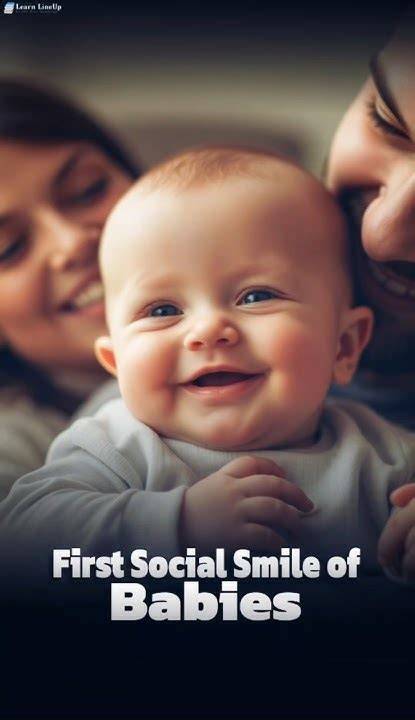
If you don't count a reflex smile, when do babies smile for real? Mayo Clinic explains that newborns typically start smiling when others smile at them, achieving a social smile. As Dr. Pagano says, a true social smile is a response to your behavior. You might be talking with another adult, and your baby coos or waves their arms at you. When you look down at them, they smile widely.
Did you know that a baby's smile enhances activity in their mother's amygdala and limbic system? Plus, it activates the reward area of the brain. Smiling is an important developmental milestone. A responsive smile shows your baby's brain development in action.
Come stimolare e sostenere il sorriso
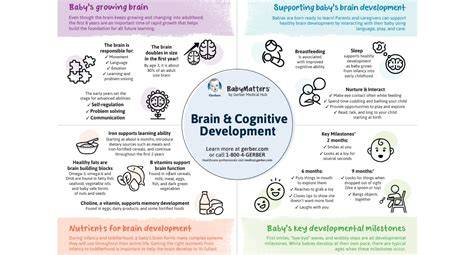
Making a 2 to 3-month-old baby smile can be as simple as smiling at them. Every baby has their own preferences. Try noticing what sparks their interest. As a baby, my oldest son loved it when I "bicycled" his legs after a diaper change, and I would tickle his tummy. My daughter loved it when I would gently bump her forehead with my own. Cooing often starts around six to eight weeks, similar to the timeline of smiling. However, laughing doesn't happen until later.
If your baby isn't smiling at 2 months, they may not be quite ready yet. All babies meet milestones at their own pace. It may help to think about other skills your baby shows. Does your baby look at your face and calm down if you pick them up? If your baby meets other milestones, they may need a little extra time with smiling. Also, babies born prematurely may take slightly longer to reach milestones. With patience, your baby will soon be smiling!
Tecnologia e misurazione delle espressioni facciali
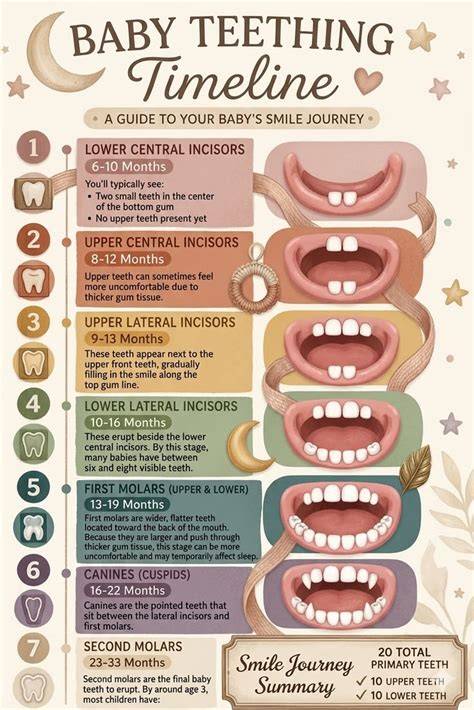
Newborns often start smiling consciously when they're about 2 to 3 months old. They may smile before then, but it's more likely to be a reflex than an intentional facial expression. You can encourage your baby to start smiling by smiling and interacting with them often.
Facial expression analysis is vital in understanding human emotions and social interactions. It can be even more valuable when studying infants, as they have not yet developed verbal communication skills. Traditionally, experts relied on manual observation to study emotions. The downsides of this way of working are that it can yield inconsistent results and is highly time-consuming.
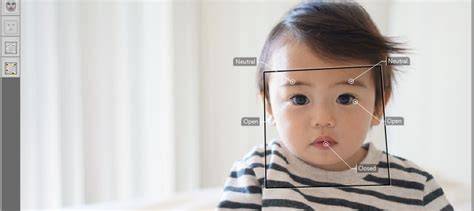
That's because using dedicated software for facial expression analysis, like Baby FaceReader, not only speeds up the process but also provides a much higher level of consistency and objectivity. Martina Zaharieva explains more about the validation of Baby FaceReader in this Noldus webinar: Validating Baby FaceReader 9 Analysis of Infant Affective Facial Expressions in Face-to-Face Interactions.
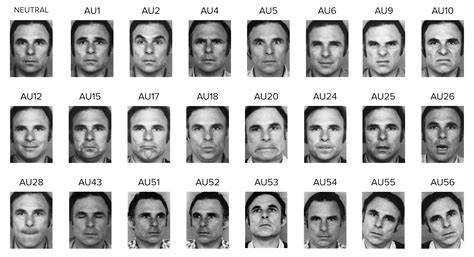
Baby FaceReader represents a significant milestone in automated facial expression analysis. Developed with advanced algorithms and machine learning techniques, it uses a convolutional neural network (CNN) to identify and interpret various facial action units (AUs). Baby FaceReader uses AUs to calculate overall emotional valence. Unlike manual coding, which can be prone to subjective interpretation, Baby FaceReader offers a standardized approach to understanding facial expressions.
Confronto tra regole e curiosità etiche
That's why researcher Zaharieva and her team evaluated how well Baby FaceReader measured emotions compared to manual coding. In their study, they observed 58 infants aged 4 and 8 months during face-to-face naturalistic interactions with different caregivers. The researchers paid close attention to the software's ability to differentiate between positive, negative, and neutral expressions, understanding that accurately interpreting these nuances is crucial in developmental psychology. The results of the study provided mixed insights. When compared to manually coded facial expressions, Baby FaceReader demonstrated reasonable accuracy in distinguishing positive expressions from negative or neutral ones. Therefore, the researchers studied the performance of specific action units in discriminating between positive, negative, and neutral expressions. They found that automated detection of smiling (AU12) performed well in discriminating positive expressions from negative or neutral ones.
L'introduzione dell'analisi automatizzata delle espressioni facciali in psicologia dello sviluppo e cura pediatrica rappresenta un passo avanti significativo. Questa tecnologia offre nuove intuizioni sullo sviluppo dell'espressione emotiva infantile, portando a migliori pratiche di caregiving e trattamenti di disturbi dello sviluppo.
Note finali e riferimenti
Oster, H. (2006). Baby FACS: Facial action coding system for infants and young children. Zaharieva, M.; Salvadori, E.; Messinger, D.; Visser, I.; Colonnesi, C. (2024). Automated facial expression measurement in a longitudinal sample of 4‑ and 8‑month‑olds: Baby FaceReader 9 and manual coding of affective expressions.